What Is Fine Dining Restaurant
We introduce a clear definition of an upscale dining establishment that pairs refined cuisine with careful service. Guests expect formal pacing, curated atmosphere, and menus that showcase seasonal, premium ingredients.
Our view highlights how this type of restaurants evolved from grand feasts to chef-led tasting menus. The focus is on precision: plated courses, a higher waiter-to-table ratio, and attention to table settings and lighting.
We set expectations around reservations, limited seating, and dress codes that preserve a cohesive sense of quality and luxury. These choices support a memorable experience for customers who seek more than casual dining.
Finally, we note that the promise of craft and hospitality relies on the whole establishment. From kitchen technique to front-of-house coordination, every detail works to elevate the meal into an intentional, polished event.
Defining Fine Dining in Today’s Restaurant Landscape
Today’s upscale table culture blends culinary craft with thoughtful service and intentional pacing. We trace how that evolution moved from aristocratic banquets to chef-led kitchens that value both tradition and invention.
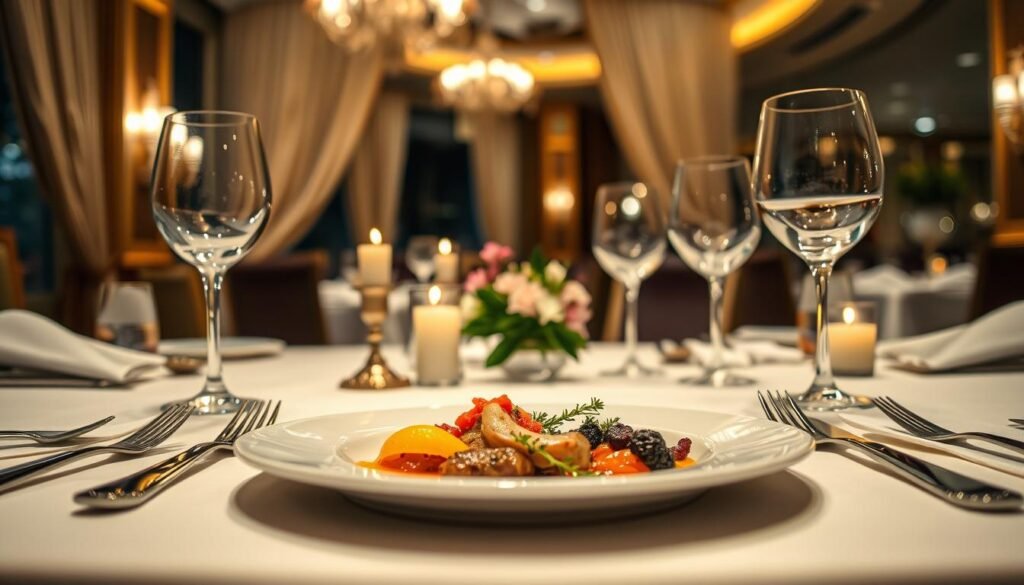
From aristocratic roots to modern culinary innovation
Modern fine dining establishments emphasize curated menus, often prix fixe or tasting formats, with limited seating to protect an intimate setting. Chefs lead ingredient selection and menu pacing so each dish tells part of a larger story.
Design, ambiance, and lighting reinforce the occasion without stealing the spotlight from cuisine. Service remains polished and discreet so guests feel guided rather than hurried.
- Reservations and dress expectations preserve the intended atmosphere.
- Formats—chef’s table, tasting, à la carte—offer distinct ways to showcase creativity.
- By contrast, casual dining offers broader menus, louder rooms, and more flexibility.
We choose the type of the restaurant to match the event: milestone celebrations call for a formal experience, while exploratory meals may favor inventive dining restaurants that push boundaries.
Core Characteristics of Fine Dining Establishments
We outline the core signals guests notice first: layout, lighting, and the details on each place setting.
Ambiance and design
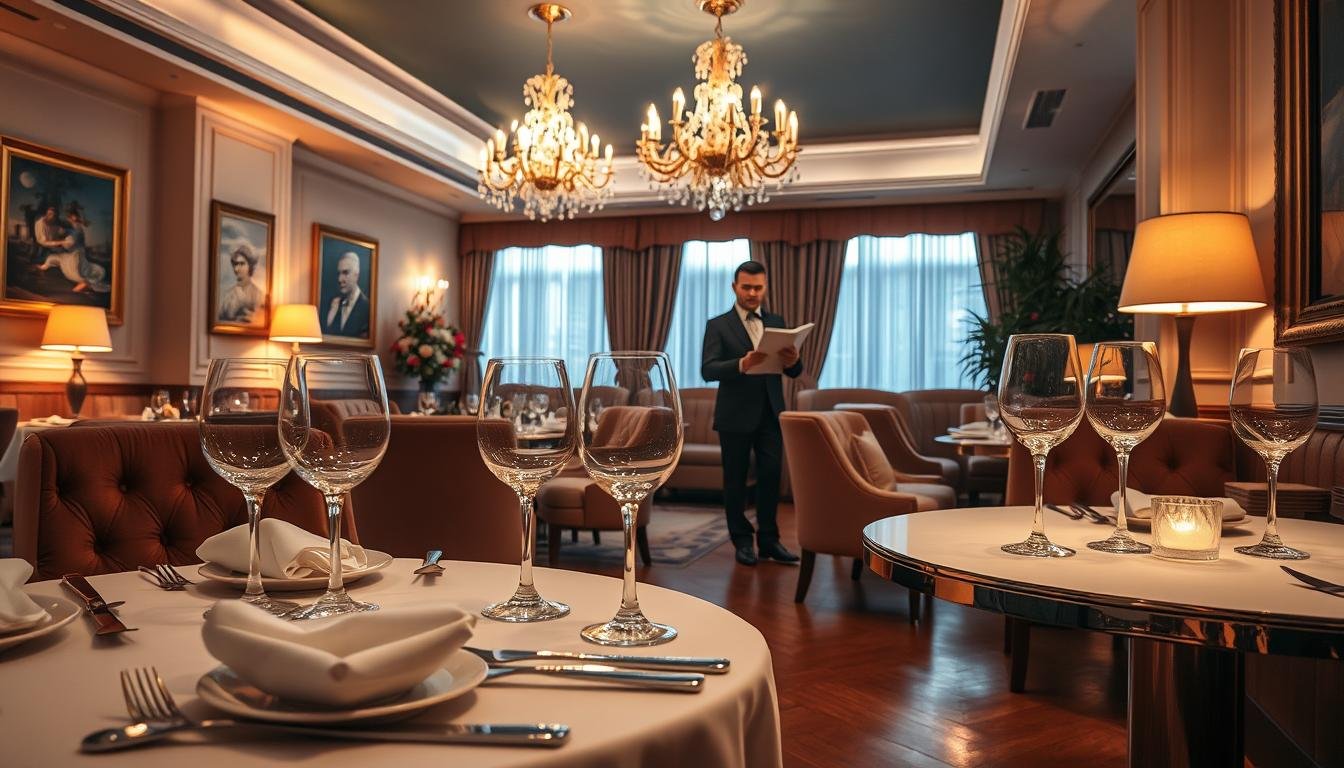
Elegant interiors use table linens, crystal stemware, and polished silverware to signal quality. Controlled lighting and curated artwork reduce noise and keep sightlines clean.
Reservations and limited seating
Reservations are standard and seating is often limited to protect pacing. Fewer tables let staff time courses so dishes arrive in an intentional order.
Dress expectations and guest decorum
House dress codes—business casual to formal—help maintain a cohesive atmosphere. We ask guests to arrive on time and follow simple etiquette to preserve the experience for all.
- Design creates intimacy; layout controls noise and sightlines.
- Limited seating supports deliberate service flow and higher staff-to-guest ratios.
- Price reflects premium sourcing, skilled chefs, and elevated service.
| Aspect | Fine Dining | Casual Dining |
|---|---|---|
| Space per table | Generous | Closer |
| Music & pace | Subdued, deliberate | Lively, faster |
| Menu focus | Seasonal, refined | Broad, flexible |
Service Standards: Training, Etiquette, and the Guest Journey
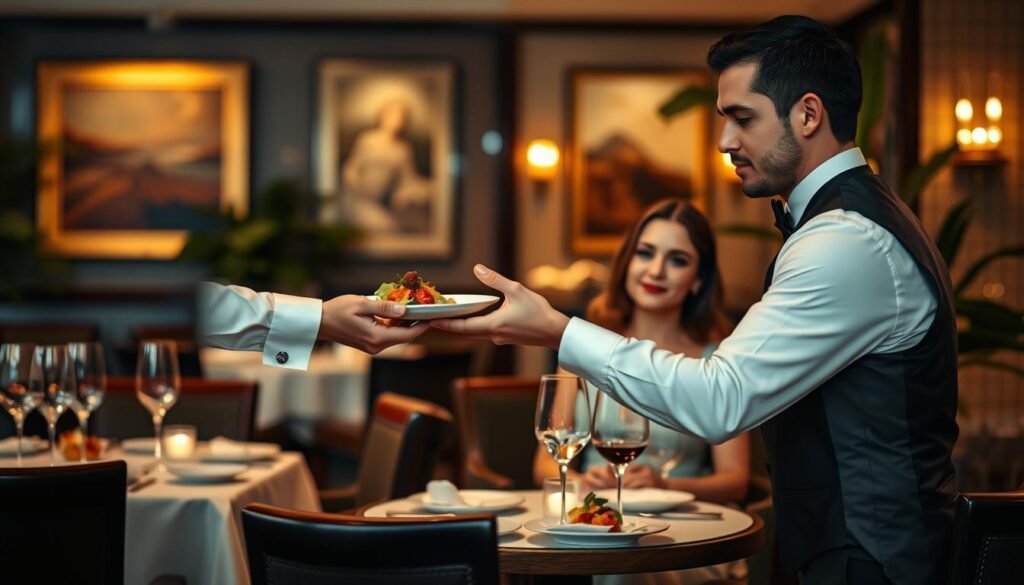
Service shapes the arc of a guest’s meal and turns technical skill into a relaxed, memorable experience. We train teams to pace courses, field questions about the menu, and anticipate needs without interrupting conversation.
Personalized attention and ratios
A higher waiter-to-table ratio lets us offer focused care. Servers place napkins, top off water, and time courses so dishes arrive hot and in order.
Formal etiquette and timing
We present plates with quiet precision, clear discreetly, and keep multi-course pacing synced with the kitchen. This choreography keeps temperature and texture at peak levels.
Staffing excellence
Our teams pair chefs, seasoned waitstaff, and sommeliers to craft cohesive pairings and guide customers through the menu. Training covers tasting, service steps, and quick problem resolution.
- Greeting to farewell: a mapped guest journey that feels effortless.
- Menu fluency: servers explain ingredients and methods clearly.
- Subtle upkeep: crumbing, refills, and napkin care that never distracts.
| Role | Primary Function | Benefit to Guests |
|---|---|---|
| Chefs | Prepare and time dishes | Peak food quality |
| Waitstaff | Serve, anticipate, explain | Personalized service |
| Sommeliers | Curate pairings | Harmonized flavors |
Menus, Courses, and Culinary Techniques in Fine Dining Restaurants
Menus act as the narrative thread, guiding guests through a planned sequence of flavors and techniques.
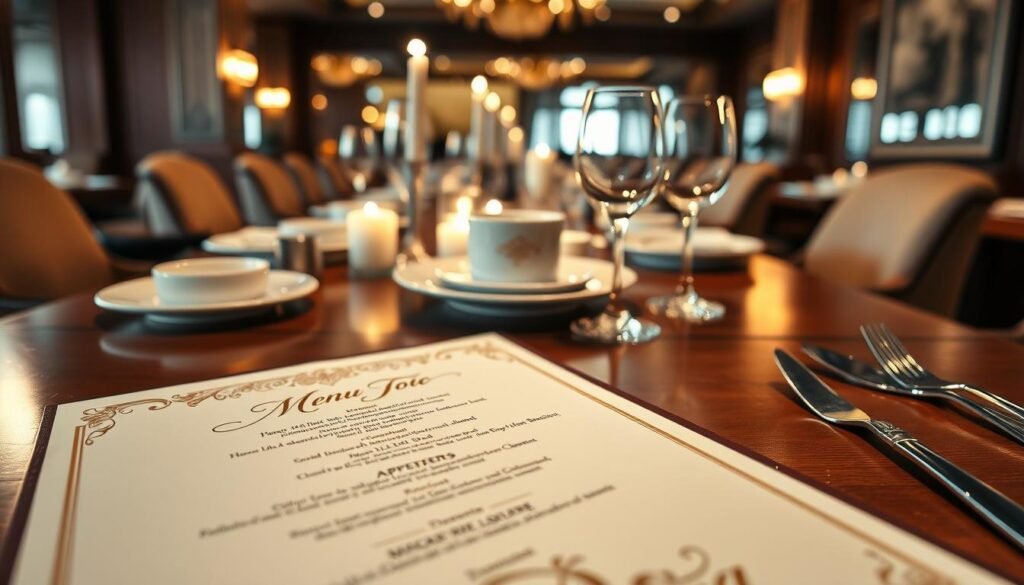
We present formats that suit different occasions and chef intent. Each choice affects pacing, portion size, and how flavors stack.
Menu formats and portion strategy
Prix fixe and tasting menus give chefs a controlled path to showcase technique and seasonality. À la carte remains for selective choices.
- Prix fixe: steady pacing, clear value for multi-course service.
- Tasting: many small courses that build a story through texture and technique.
- À la carte: flexible, but used selectively to protect the chef’s vision.
Seasonality, sourcing, and technique
We rely on local sourcing to keep ingredients at peak flavor. Portions favor concentration over volume so each plate highlights a precise idea.
Classic and modern methods—fermentation, sous vide, reductions—lift texture and depth without adding bulk.
| Format | Strength | When to Choose |
|---|---|---|
| Prix fixe | Balanced pacing | Celebrations, set menus |
| Tasting | Technical showcase | Chef-led experiences |
| À la carte | Guest flexibility | Selective dining |
Curated wine lists and crafted cocktails, including zero-proof pairings, amplify courses. We limit modifications to allergies or strict diets to preserve balance and quality.
What Is Fine Dining Restaurant vs Casual and Fast-Casual Dining
We lay out the differences in atmosphere, menu rules, and pacing so you can match an outing to the occasion. This comparison helps customers pick between an upscale meal, a casual dining spot, or a fast-casual counter.
Atmosphere and decor
Upscale rooms use subdued music, generous spacing, and curated lighting to create quiet focus. Staff maintain a formal tone and table settings feel intentional.
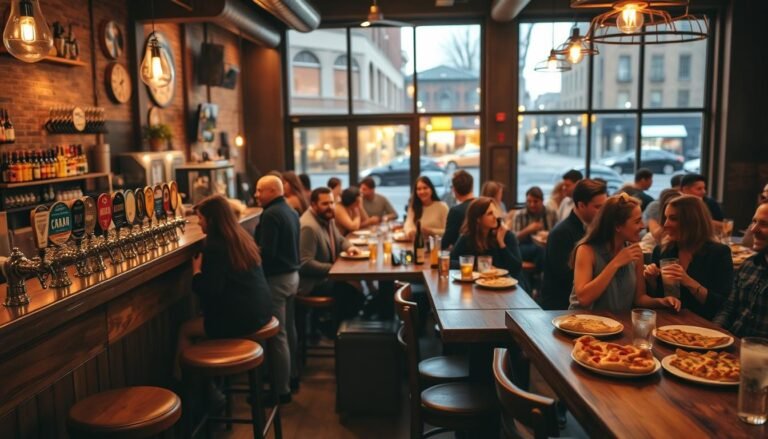
Casual dining venues are livelier. Seating is closer, music is bolder, and decor leans toward comfort and approachability.
Menu flexibility and portions
Chef-driven menus limit modifications to protect balance. Portions tend to be smaller and designed for multi-course pacing.
Casual dining restaurants offer broad menus with easy substitutions and heartier servings. Fast-casual blends customization with speed and modern assembly lines.
Service model, reservations, and pace
We expect reservations, a set pace, and higher staff-to-guest ratios at upscale locations. Service includes synchronized timing and tableside touches.
Casual spots favor walk-ins and friendly, efficient service. Fast-casual focuses on quick ordering and faster turnover.
Price, accessibility, and occasions
Premium ingredients and skilled labor raise the price for upscale meals, so these spaces suit anniversaries and milestone dinners.
Casual restaurants aim for accessibility, making them ideal for groups, weeknight outings, and family meals.
- Atmosphere: refined rooms vs lively, relaxed spaces.
- Menu: limited modifications vs wide customization.
- Pacing: multi-course experiences vs single-course efficiency.
- Reservations: often required vs mostly optional.
| Aspect | Upscale | Casual / Fast-Casual |
|---|---|---|
| Atmosphere | Quiet, spaced tables | Lively, closer seating |
| Menu flexibility | Limited changes | Wide substitutions |
| Service | High-touch, paced | Streamlined, fast |
| Best occasions | Milestones, formal nights | Everyday meals, group outings |
Operations and Strategy: Costs, Tech, and Opportunities in the U.S. present
Maintaining a premium dining experience hinges on smart cost control and the right technology mix. In the U.S., higher startup and operating costs come from premium ingredients, skilled labor, and elevated design choices.
High-touch costs shape the business model: labor, sourcing, and décor set baseline spend. Profitability depends on balancing those expenses with premium pricing and consistent demand.
High-touch costs and business model realities
We manage margins through menu engineering, limited covers, and seasonal planning. Yield management and portion control protect food quality while keeping costs predictable.
Tech integration: POS, inventory, and reservation platforms
Modern POS and inventory systems tighten purchasing and prep. Reservation platforms reduce no-shows and help pace service without eroding our personal touch.
Sustainability, local sourcing, and diversified offerings
Local suppliers and whole-produce practices lower waste and boost traceability. Diversified revenue—chef’s tables, tasting nights, and curated takeout—adds stability while preserving brand standards.
- Staffing priorities: sommeliers, experienced staff, and strong kitchen teams keep standards high.
- Training and retention plans reduce turnover and protect guest service.
- Selective tech (contactless payments, confirmations) meets customer expectations for convenience.
| Area | Challenge | Operational Response |
|---|---|---|
| Costs | Rising labor and sourcing | Menu pricing, portion control, seasonal sourcing |
| Tech | Integration complexity | Modular POS, inventory sync, reservation management |
| Growth | Market saturation | Focused positioning, special events, premium takeout |
Choosing the Right Dining Experience for Your Next Occasion
We start by matching formality to the occasion, time available, and budget. This quick framework helps us pick the best setting for guests and the kind of memory we want.
For milestone nights, we favor fine dining options with curated courses, reservations, and a stricter dress code to protect the atmosphere and service flow.
For everyday plans or family outings, casual dining works better. Casual dining restaurants offer flexibility, faster pacing, and menus that suit mixed groups and kids.
Check the menu and beverage approach, confirm reservation lead times, and review modification policies for customers with dietary needs. Balance food quality, portion style, and service to align the restaurant choice with the experience you want today.