What Is Casual Dining Restaurant
We define this sit‑down concept as a welcoming, table‑service option that sits between fast food and fine dining. Guests order at the table and enjoy a relaxed dining experience without formal dress codes or high prices.
In the wider dining industry, this type contrasts with counter service chains and with upscale venues that focus on premium ingredients, white‑glove service, and smaller seating. Our goal is to set clear expectations: approachable menus, mid‑range pricing, and friendly staff aimed at comfort and convenience.
Brands like Olive Garden, Applebee’s, Outback Steakhouse, Red Lobster, TGI Fridays, and buffet formats such as Golden Corral help anchor the idea. After the pandemic, people in the United States have returned to these spots for family meals, celebrations, and after‑work meetups.
We preview the core elements you’ll see throughout the article: ambiance, service, menu variety, and sensible prices. This type adapts to trends—more dietary options and streamlined service—while keeping an easygoing vibe that fits many occasions.
Casual Dining at a Glance: The Beginner’s Definition and Today’s Context
Think of it as a steady, table-served choice that bridges fast-food speed and fine-dining polish. We view this format as an approachable spot where guests sit, order from a menu, and enjoy friendly, practical service.
The difference is clear in everyday operations. Fast counters ask guests to order and collect quickly. Upscale venues focus on choreography, plated artistry, and higher server ratios. Our category keeps table service and comfort without formalities.
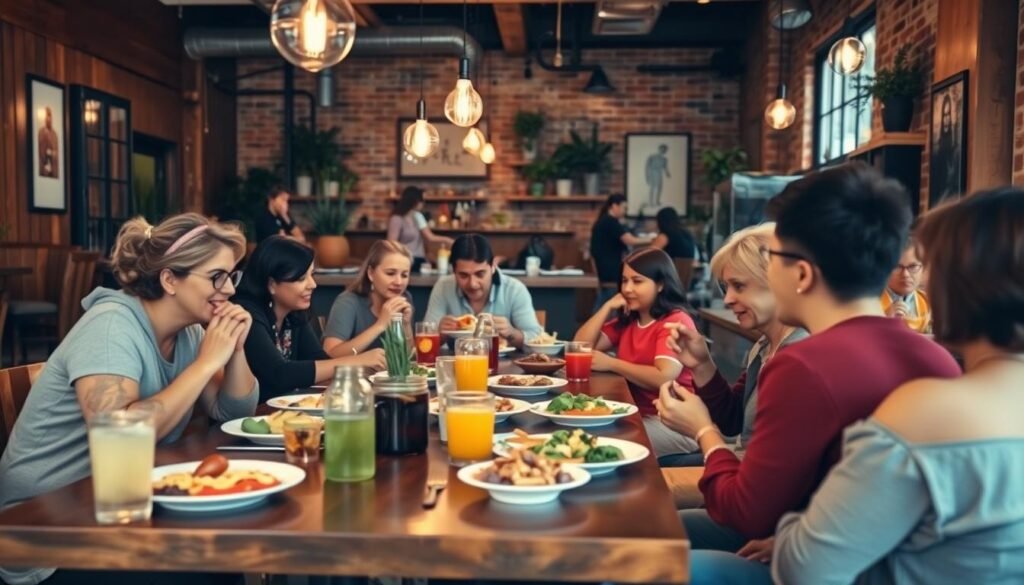
How it fits between quick service and upscale venues in the United States
- Table service with relaxed ambiance and mid-range prices.
- Staff aim for helpful, steady interaction rather than elaborate ceremony.
- Nationwide presence meets diners who want reliable food and a comfortable atmosphere.
Post‑pandemic behavior and why relaxed, sit‑down venues thrive
After the pandemic, customers returned to shared meals and celebrations. Groups favor approachable dining establishments that combine social ease with predictable value.
| Service | Atmosphere | |
|---|---|---|
| Fast food | Counter | Functional |
| Casual | Table | Comfortable |
| Fine dining | High-touch | Formal |
What Is Casual Dining Restaurant: Core Features We All Recognize
We often spot this format by its relaxed seating, friendly staff, and menus built for comfort rather than formality.
Ambiance and setting
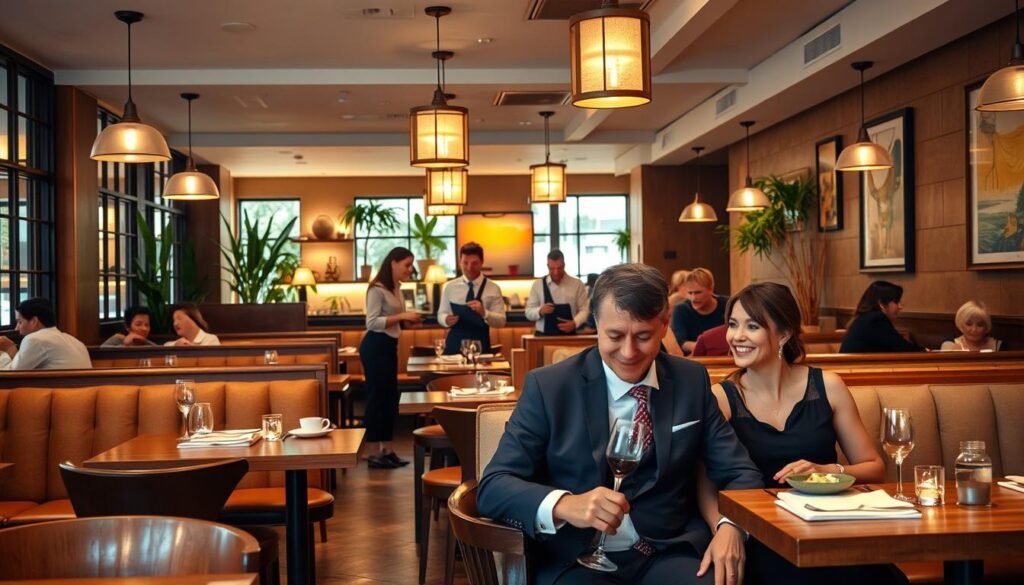
The ambiance leans toward simple, unpretentious décor with booths and tables designed for groups and families.
Lighting is brighter than fine dining, and the atmosphere feels welcoming. The setting supports easy conversation and quick turns during busy hours.
Service style
Service is table‑based: a server greets us, takes the order, and brings food and drinks.
Staff are courteous and efficient without scripted formality. Tipping is customary and expected for good service in these restaurants.
Menu and prices
Menus focus on familiar dishes and comfort food, with options for kids and dietary needs. Portions tend to be generous and filling.
Prices sit in the mid‑range, giving customers predictable value for a full meal. Some establishments add limited self‑service elements like beverage or condiment stations to speed flow.
- Examples you know: Olive Garden, Applebee’s, Outback Steakhouse, Red Lobster, TGI Fridays.
- Guests can request ingredient swaps or smaller portions at most locations.
| Feature | Typical | Benefit |
|---|---|---|
| Ambiance | Comfortable, bright | Easy for groups |
| Service | Table service, casual | Attentive, efficient |
| Menu | Familiar dishes, broad | Options for many tastes |
Casual Dining vs Fine Dining: Key Differences in Experience, Menu, and Service
We compare two distinct dining models by their table setting, pacing, and overall guest experience. This helps readers choose the right setting for a weeknight meal or a special celebration.
Ambiance and table settings
Everyday venues use straightforward place settings and simple décor. Tables are practical, with durable plates and casual glassware.
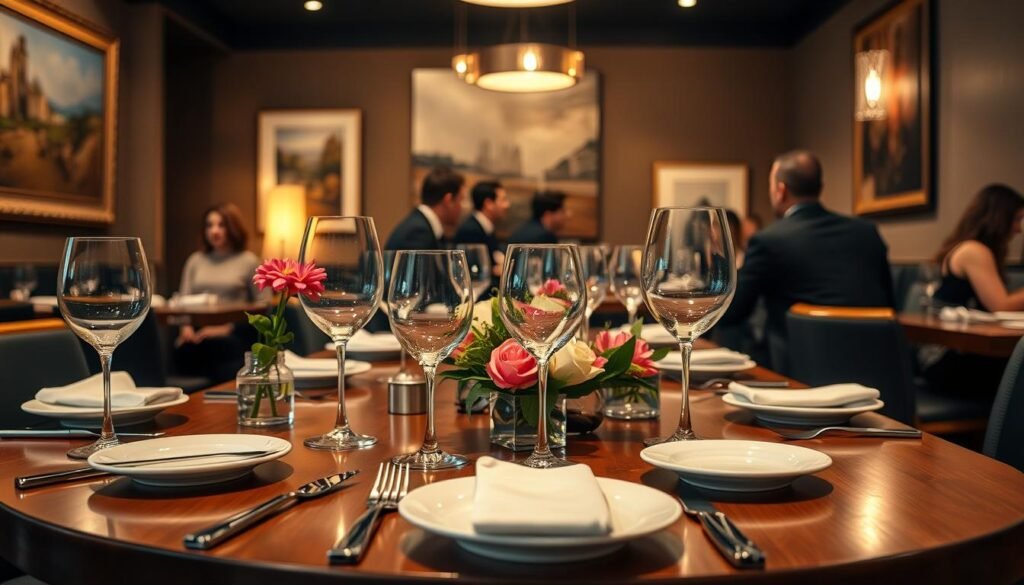
Fine dining restaurants elevate the atmosphere with fine china, crystal, linen napkins, and curated design that signals formality.
Menu design and ingredients
Broader menus feature generous portions and familiar dishes made to satisfy many tastes.
Fine dining establishments offer concise, multi‑course menus that highlight seasonal, premium ingredients and artistic plating. Modifications are often limited to protect the chef’s vision.
Service, price, and dress expectations
Service in casual spots stays friendly and relaxed. In contrast, service in upscale houses is choreographed and high touch, with a higher server ratio.
Higher prices reflect ingredient quality, prep time, and staffing. Reservations and a formal dress code are common in fine dining, while everyday venues welcome informal attire.
Adjacent Concepts Explained: Fast‑Casual, Buffets, and Casual Fine Dining
Diverse formats sit near our main subject by trading speed, variety, or elevated cuisine for different guest needs. We use examples to show how service and menus change across options.
Fast‑casual models
Fast‑casual spots like Panera Bread and Five Guys focus on fresh, quickly prepared food. Guests often order at a counter and can dine in or take out.
Service is limited, prices sit closer to fast food, and menus emphasize speed and ingredient quality.
Buffet‑style formats
Buffets such as Golden Corral offer self‑serve stations and all‑you‑can‑eat pricing. Choice and volume matter more than table service.
These venues suit groups and those who want variety at a set price.
Casual fine dining (fine casual)
Casual fine dining blends chef‑driven cuisine with relaxed service and no formal dress code. Examples range from Shake Shack‑style concepts to higher‑end chains that borrow upscale cues.
Menus aim for elevated flavors delivered efficiently, giving diners a refined but unfussy night out.
- Fast‑casual: counter ordering, fresh focus.
- Buffet: self‑service, broad offerings.
- Casual fine: chef quality, streamlined service.
| Format | Service | Menu focus |
|---|---|---|
| Fast‑casual | Limited table contact | Fresh, fast |
| Buffet | Self‑serve | Variety, volume |
| Casual fine | Polished informal | Elevated cuisine |
Inside the Casual Dining Experience: What Guests Can Expect
The dining area centers on comfort: approachable menus, mixed seating, and drink lists that match simple meals. We guide guests through choices so the meal feels easy from arrival to payment.
Menus and modifications
Menus favor comfort classics and generous portions. We offer clear options for kids, vegetarians, and common dietary needs.
Customers can request swaps or lighter portions. Servers usually confirm allergies and suggest dishes that keep quality and flavor.
Seating and layout
Booths provide privacy, tables allow flexibility, and bar areas suit quick bites or drinks. Layouts adapt for couples, families, and larger groups.
Beverages and pacing
Expect familiar soft drinks, popular beers, approachable wines, and simple cocktails that pair with hearty food. One entrée often fills a diner, while apps and desserts extend the experience.
- Portion sizes are generous and value-driven.
- Servers check in politely without hovering.
- Guests should ask for reasonable adjustments to dishes.
| Area | Typical Offer | Benefit | Who it suits |
|---|---|---|---|
| Menu | Comfort classics, kid options | Predictable flavors | Families, regulars |
| Seating | Booths, tables, bar | Flexible group sizes | Couples, groups |
| Beverages | Sodas, beers, wines, simple cocktails | Easy pairings | Casual drinkers |
| Service | Table servers managing several tables | Friendly, efficient | Diners seeking low-stress evenings |
Dress Code, Reservations, and Etiquette: Practical Tips for Diners
We offer simple rules on what to wear, whether to call ahead, and the small courtesies that improve any dining outing.
What to wear: everyday norms and when smart casual helps
Most casual dining venues welcome jeans, tees, and sneakers without fuss. A neat top or button shirt lifts the look for weekend evenings or slightly upscale locations.
For fine dining, we advise checking the dress code ahead. Many upscale rooms ask for business casual or smarter attire for special occasions.
Reservations vs walk‑ins: timing, peak hours, and party size
Walk‑ins work for many spots, but peak hours can bring waits. For larger groups or Friday and Saturday nights, a call‑ahead or a light reservation helps secure the right table and reduces stress.
If time is limited, tell staff your window. That lets hosts pace the meal and keep service steady.
Etiquette that keeps service smooth
We encourage patrons to arrive a few minutes early and to be flexible on seating for faster turns. Respect reservation times and notify the restaurant if plans change.
Tipping norms apply across styles; adjust percentages to reflect the level of service and complexity of the evening. Communicate dietary needs or timing constraints so servers can guide customers to the best choices.
| Topic | Casual | Fine Dining |
|---|---|---|
| Dress | Jeans, casual shirts | Business casual or formal |
| Reservations | Optional; helpful at peak | Recommended; often required |
| Service style | Steady table service | Choreographed, high touch |
Choosing the Right Dining Style for Your Next Meal
We select a style that fits the occasion, the group, and how much time we have. For birthdays or weeknight meals, casual dining restaurants offer broad menus, generous portions, and easygoing service.
When we want a formal night, fine dining restaurants deliver multi‑course cuisine, premium ingredients, and a ceremonial ambiance. Expect higher prices and often a reservation.
Hybrid choices such as casual fine concepts bridge quality and speed. Fast‑casual and buffet establishments suit tight schedules or variety‑seeking customers.
Think about cuisine, table turn time, and guest needs. That helps our patrons pick the right establishment and get the dining experience they expect.