How Long Is Wine Good For After Opening
We want clear expectations from the start: once a bottle is unsealed, the clock begins. The time a glass stays enjoyable depends on style, storage, and how much air gets in at each pour.
In practical terms, red wine often keeps 3–5 days when re-corked and kept cool and dark. White wines last about 3–5 days in the fridge. Sparkling wine loses fizz fast and tastes best the day poured or within 1–3 days with a proper stopper.
Fortified styles such as Port, Sherry, and Madeira can last one to four weeks thanks to higher alcohol. The core process at work is oxidation: oxygen and bacteria convert ethanol toward acetaldehyde and then acetic acid, which makes a bottle smell vinegary and alters color.
Our simple tips help extend life: seal tightly, store bottles upright, refrigerate opened bottles, and use preservation tools like vacuum pumps or argon sprays. Later sections show signs of decline and smart uses so we waste less and enjoy more.
Why Opened Wine Changes: Oxidation, Temperature, and Time
The moment a seal is broken, chemistry begins to change the bottle’s contents.
Oxygen attacks key compounds in a short process: ethanol shifts to acetaldehyde and then to acetic acid. That progression creates sour, vinegar-like aromas and brown or orange hues in some styles.
What oxygen does to aroma, flavor, and color
Air first softens bright fruit notes, then flattens flavor and adds aldehydic tones. White wines tend to brown; red wines move from ruby toward brick or orange as pigments oxidize.
How light, heat, and position speed spoilage
Warm temperatures and bright exposure accelerate breakdown. Keeping bottles in a cool, dark place slows reactions and preserves freshness.
- Store opened bottles upright to limit surface area in contact with oxygen.
- Refrigerator storage helps all styles; even reds benefit if warmed briefly before pouring.
- Use a tight closure, a vacuum pump, or argon to reduce exposure oxygen and extend drinkability.
How Long Is Wine Good For After Opening
Knowing typical windows for each style keeps our leftovers useful and tasty. Below we give fast guidance you can use when deciding whether to finish a glass or save the rest.
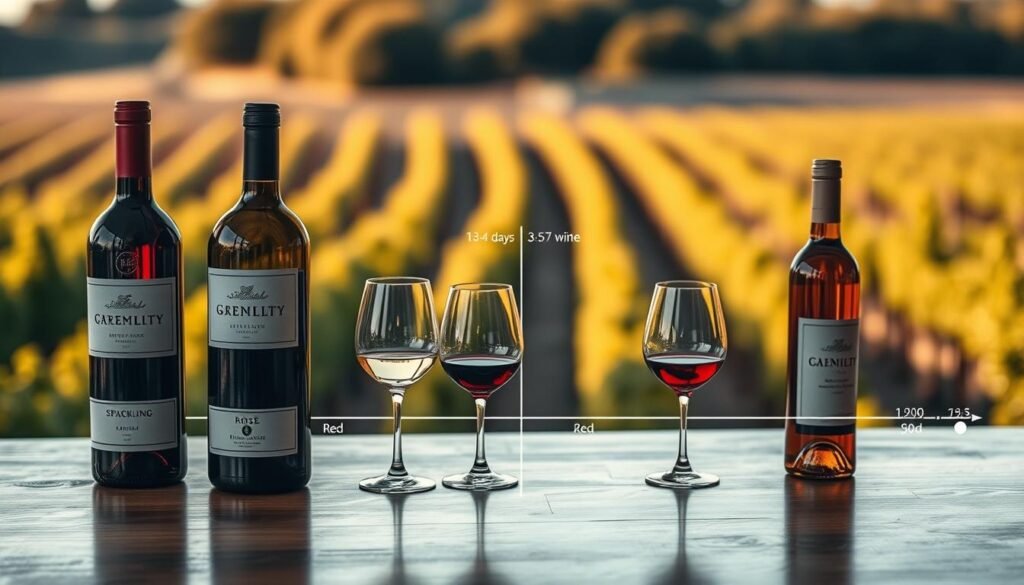
Quick-reference timelines by style at a glance
Use these ranges as practical guardrails, not hard rules.
- Sparkling wine: best the day poured; 1–3 days with a proper stopper.
- White wine and rosé: typically 3–5 days when chilled and sealed.
- Red wine: low-tannin bottles 2–3 days; high-tannin reds 5–6 days with care.
- Fortified wines: up to 1–4 weeks due to higher alcohol and stability.
Factors that make some bottles last longer
Tannin, acidity, and residual sugar affect how wines last. Higher acidity and firm tannin slow oxidation.
| Type | Typical days | Best storage |
|---|---|---|
| Sparkling | 1–3 | Fridge, sparkling stopper |
| Whites & Rosé | 3–5 | Fridge, sealed upright |
| Reds | 2–6 | Cool, upright, small headspace |
| Fortified | 7–28 | Cool, dark, sealed |
Minimize headspace, chill the bottle, and decant leftovers into a smaller container to extend those last days. These steps help us waste less and enjoy more.
Red Wine After Opening: How Many Days It Lasts and How to Store It
Opened red bottles change noticeably over a few days, and simple storage steps shape how they age.
Most red wine stays pleasant for about 3–5 days when we reinsert the cork and keep the bottle in a cool, dark place.
Light reds such as Pinot Noir lose bright fruit faster. Full-bodied reds with firm tannin—think cabernet sauvignon—hold structure longer and survive the last days with more grace.
Fridge versus room temperature and why tannin matters
We recommend the fridge over the counter. Chilling slows oxidation and preserves aroma.
Take the bottle out about 10 minutes before pouring so the liquid softens and scents reawaken.
Tannin and acidity act like natural shields. Wines with more grip and lift resist spoilage better than thin, low-acid bottles.
Signs your red has gone over the hill
- Vinegar or nail-polish notes on the nose.
- Sour taste or a flat, dull palate.
- Cloudy appearance or a shift from ruby to bricky hues.
| Style | Typical days | Best practice |
|---|---|---|
| Light reds (Pinot) | 2–3 | Re-cork, fridge, small pours |
| Full-bodied (Cabernet Sauvignon) | 4–6 | Re-cork, fridge, upright in dark place |
| General tip | 3–5 | Use tight cork or preservation system |
If a bottle smells off, we cook with it. That saves the bottle and avoids waste.
White Wines and Rosé: Keeping Freshness in the Fridge
Keeping opened light whites and rosé in the fridge slows oxidation and preserves character for several days.
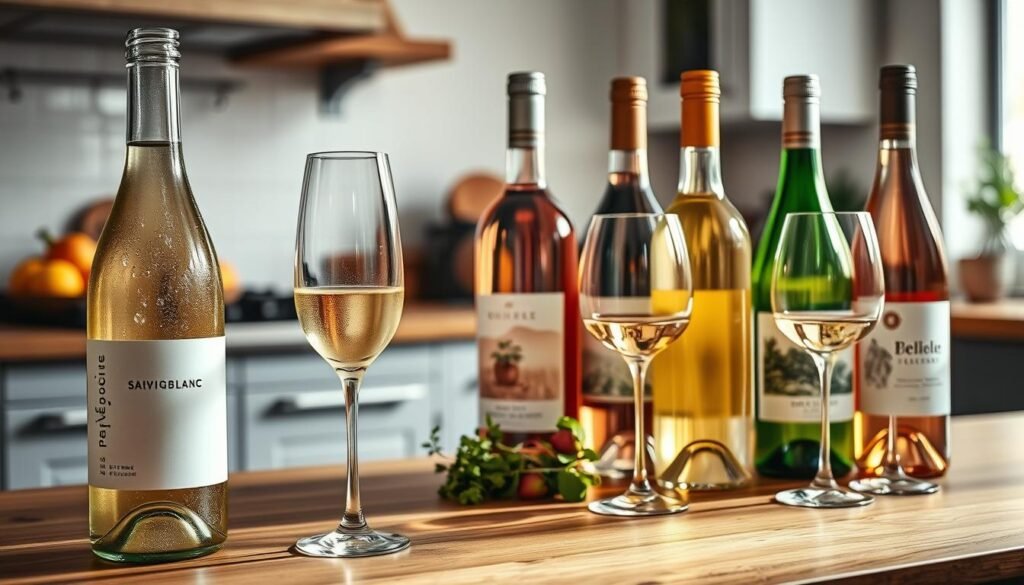
Most light white wine and rosé hold well for about 3–5 days when we keep the closure snug and avoid long warm spells on the counter.
Light whites and rosé: up to five days when sealed
Delicate bottles keep fruit notes best in the fridge. Expect vibrancy to soften after the first day, though the glass often remains enjoyable through the window above.
Full-bodied whites such as oaked Chardonnay and Viognier
Heavier whites that saw oak age or extra oxygen in winemaking tend to show oxidation sooner. Plan on 2–3 days for these styles and check for browning or dull aromatics before pouring.
| Style | Typical days | Best practice |
|---|---|---|
| Light whites & rosé | 3–5 | Fridge, tight closure, upright |
| High-acid whites (Pinot Grigio, Riesling) | 4–5 | Chill promptly, small headspace |
| Oaked/Full-bodied whites | 2–3 | Fridge, use stopper, consider smaller bottle decant |
Quick checks save waste: if a pour smells sour or shows brown tint, repurpose it in sauces or spritzes with a splash of sparkling wine and citrus. A quality stopper and steady cold keep those last days useful and pleasant.
Sparkling Wines: Preserving Bubbles from Champagne to Prosecco
The sparkle in our glass depends on pressure and prompt storage steps. Once the seal breaks, dissolved CO2 begins to escape and texture fades over a short time.
Why fizz fades fast and the reality of one-to-three-day windows
Bubbles vanish because bottle pressure drops and CO2 leaves the liquid. That process robs a pour of creaminess and sense of lift.
Traditional-method bottles like Champagne and Cava start with higher pressure and finer bead, so they often keep character a bit longer than tank-method Prosecco. Still, most are best on the first day and remain pleasant only 1–3 days with care.
Using a sparkling stopper and CO2 systems to extend life
We recommend a snug stopper or a dedicated wine stopper and chilling the bottle in the fridge to slow CO2 loss. A proper clamp-style closure does far more than the old spoon myth.
For serious collectors, CO2 preservation systems can restore pressure and extend life well beyond a few days. Practical steps we use: pour smaller servings, reseal quickly, keep bottles upright, or buy splits when we expect to drink slowly.
| Tip | Effect | Best practice |
|---|---|---|
| Immediate stopper | Holds fizz 1–3 days | Chill in fridge, upright |
| CO2 system | Replenishes pressure | Use per manufacturer instructions |
| Smaller pours | Less CO2 loss | Reseal between pours |
Fortified Wines: Ports, Sherries, and Vermouths That Last Longer
Fortified bottles give us generous margins compared with standard table bottles. Higher alcohol and oxidative styles slow spoilage, so these bottles can stay useful long after we first pour.
Port, Madeira, Marsala, Sherry, and Vermouth often last up to 7–28 days once opened. Sweet, heavily fortified Ports and oxidative styles like Madeira and Oloroso resist change best. Flor-driven Fino or Manzanilla are more delicate and need faster use.
Storage and practical tips
Store sealed bottles upright in a cool, dark place. Refrigeration helps Vermouth and some lighter Sherries stay fresher longer, though many oxidized styles tolerate pantry storage.
- Seal tightly and note the open date to track days.
- Avoid repeated warming to room temperature; keep bottles upright to cut headspace.
- Consider smaller-format bottles when we drink infrequently to reduce waste.
- Use sturdy leftovers in cocktails or cooking if the aroma softens but does not smell vinegary.
| Style | Typical days after opening | Best storage |
|---|---|---|
| Madeira / Oloroso | 14–28 | Cool, dark place; sealed upright |
| Port (sweet) | 7–21 | Refrigerate or cool pantry; tight cork |
| Vermouth | 7–14 | Fridge, sealed, use within weeks |
| Fino / Manzanilla | 3–7 | Fridge, consume quickly |
A quick sniff and small taste are still our final checks. Even with fortified wines’ durability, sensory checks tell us when to sip, mix, or cook.
How We Keep Wine Longer: Stoppers, Vacuum, Argon, and Wine Fridges
The right tools and routine let us stretch a bottle across several evenings without losing character.
We always reseal quickly, store bottles upright, and chill opened bottles to slow oxygen attack. A household refrigerator works well for short spans; a dedicated wine fridge gives steady, near-55°F storage that helps delicate reds and special bottles stay calmer for more days.
Re-corking, upright storage, and minimizing exposure to oxygen
We push the original cork back in when possible or use a solid cork-style stopper to cut air contact. Keeping the bottle upright reduces headspace and limits oxygen’s effect.
Vacuum caps, argon gas, and by-the-glass systems explained
Vacuum pumps pull air out of the bottle and slow oxidation without changing flavor. Argon gas sprays displace air and create an inert layer that preserves delicate aromatics for weeks in still wines.
By-the-glass systems and CO2 units suit sparkling bottles; ordinary still-wine stoppers cannot hold pressure, so use dedicated sparkling solutions for bubbles.
When a wine fridge or refrigerator makes the most difference
A wine fridge keeps temperature and light stable, which helps stored bottles age predictably and keeps opened bottles steady across several days. For quick use, the household fridge is an excellent, practical place.
- Reseal immediately and return to cold between pours.
- Decant leftovers into smaller bottles to reduce air space.
- Rinse stoppers and devices to avoid off-aromas.
- Pour only what we need to limit repeated air exposure.
| Preservation tool | Typical effect | Best use |
|---|---|---|
| Cork / cork-style stopper | Simple seal, reduces air exchange | Short-term fridge storage, upright bottles |
| Vacuum pump | Removes oxygen to slow oxidation | Still wines for a few extra days |
| Argon gas | Inert blanket, preserves aromatics | High-value still wines for weeks |
| CO2 / sparkling stopper | Maintains pressure and bubbles | Sparkling bottles for 1–3 days or more with systems |
Practical How-To: Step-by-Step to Store an Open Bottle
A quick sequence of resealing, chilling, and storing helps preserve aromas and flavor in an opened bottle. Follow this short routine each time we stop pouring to keep the last pours pleasant.
Seal it tight, store it cold, keep it out of light
Cap the open bottle immediately with a snug wine stopper or the original cork. Stand the bottle upright to cut headspace and slow oxidation.
Place the bottle in the fridge or refrigerator; cold slows chemistry and keeps whites, rosé, and reds steadier. Keep bottles away from sunlight and warm appliances.
Serving tips and ideal temperatures
Remove red wines from the fridge about 10 minutes before pouring so aromas wake without losing stability. Use these temperature cues:
- Champagne and sparkling: 40–45°F
- Light whites and rosé: 45–50°F
- Medium reds: ~55°F
- Full-bodied reds: 59–68°F
Smart uses for leftover glasses
If a pour softens, we cook or mix it. Leftovers work well in pan sauces, stews, risotto, and quick sangria. Sparkling pours can top fresh fruit or a spritz.
For high-acid whites, transfer the remainder into a smaller jar or compact bottle to reduce oxygen and extend life toward a week.
| Action | Why it helps | Quick tip |
|---|---|---|
| Reseal with stopper | Limits oxygen contact | Keep a stopper near the fridge |
| Store upright in fridge | Reduces headspace and slows reactions | Label with the date |
| Transfer to small jar | Extends life for high-acid whites | Use a Mason jar or small bottle |
| Reuse leftovers in cooking | Prevents waste and adds flavor | Deglaze, simmer, or spritz |
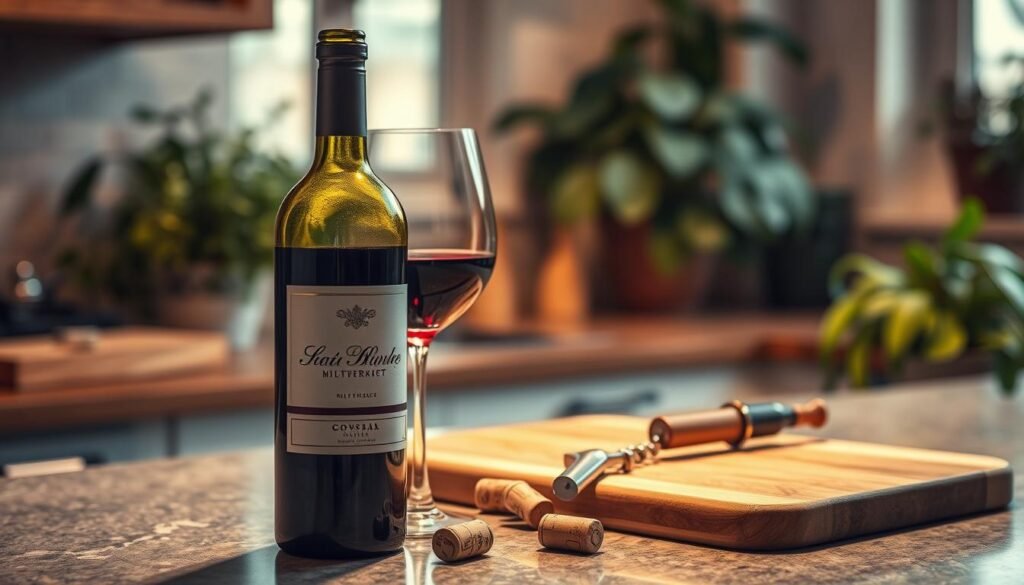
Build this routine so it becomes automatic whenever we open bottle at home. A little care each night keeps more glasses enjoyable and reduces waste across days opening.
Enjoying Every Last Glass Today and Beyond
Consistent care turns an opened bottle into several good evenings. Seal promptly, stand bottles upright, and keep them cold between pours to help wines last.
Structure matters: tannin in a Cabernet Sauvignon and crisp acid in a white rosé help a bottle last longer when stored right. A wine fridge gives steady conditions, while the kitchen fridge works well day-to-day.
Use a reliable stopper or tidy cork ritual, plan pours to match our schedule, and enjoy sparkling wine early — its peak is the first day but can stretch with the right closure.
Trust smell and taste as the final check. With simple tools and routine, we waste less and get more life from every bottle.